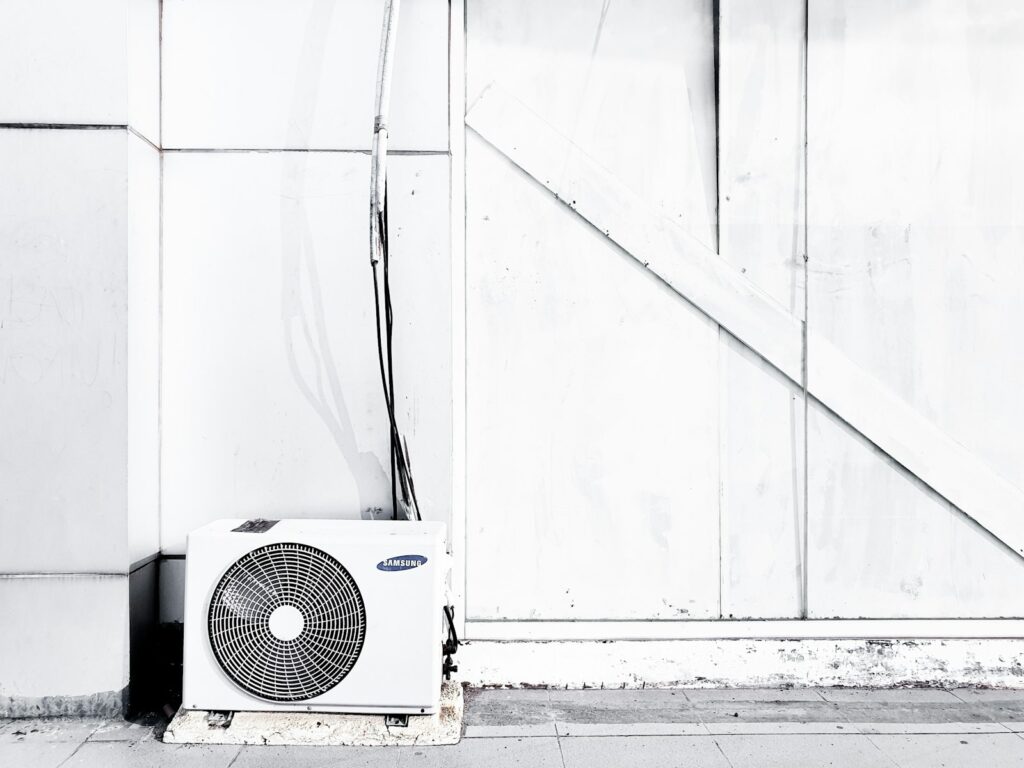
A Brisbane summer brings a lot of moisture into the house, and a ducted air conditioner sits right at the meeting point of warm, humid air and cold metal or plastic surfaces. Condensation can form around outlets, in sections where insulation has slipped, or near the indoor unit if a drain is struggling. Add a layer of household dust and mould has both water and food. You might notice black spotting on an outlet, a damp smell at start-up or a stuffy feeling in one particular room.
We begin by finding out where the growth actually is. Outlets come down, we look into the duct collars and, where needed, inspect along the runs and at the plenum. Affected areas are then physically cleaned under negative pressure, removing the growth and the dust supporting it. After that, a suitable treatment can be applied to the areas that were affected, to help discourage regrowth. We use products sparingly and only where they are needed, which matters in homes where people react to strong smells or chemicals.
Mould comes back if the moisture does. As part of every remediation job, we point out what is likely feeding it, whether that is a poorly insulated duct, an outlet sitting in a hot roof space or a drainage issue at the unit, so it can be dealt with properly. Sometimes the fix is simple, such as refitting insulation around a duct collar, and it makes a real difference to how long the system stays clean.